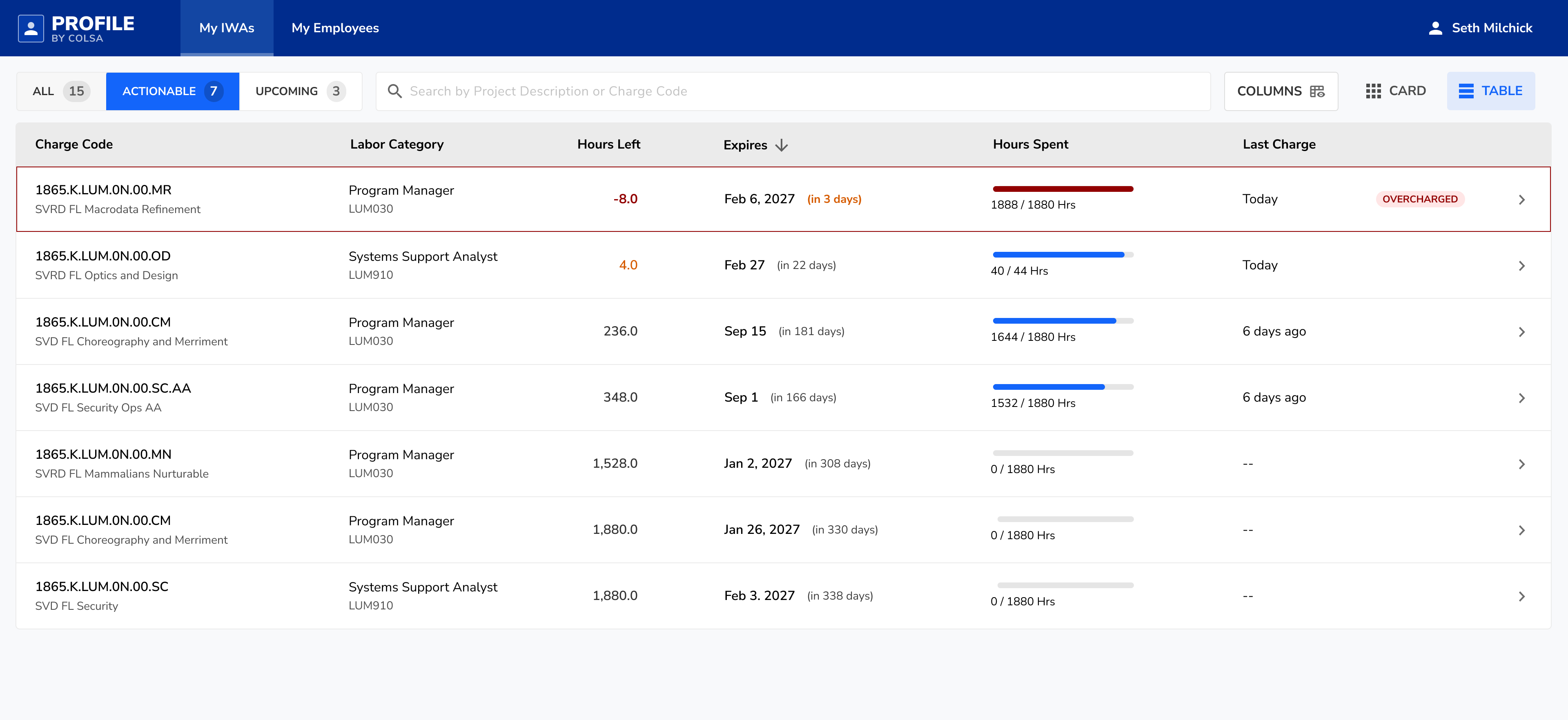
More Than a Tracker
People don't like to track unless they're getting something out of tracking. Apps like Letterboxd and Goodreads work because the social element gives logging a purpose beyond record-keeping. I wanted TamaTracker to have that same pull — but with an added learning dimension that makes it genuinely useful for improving.
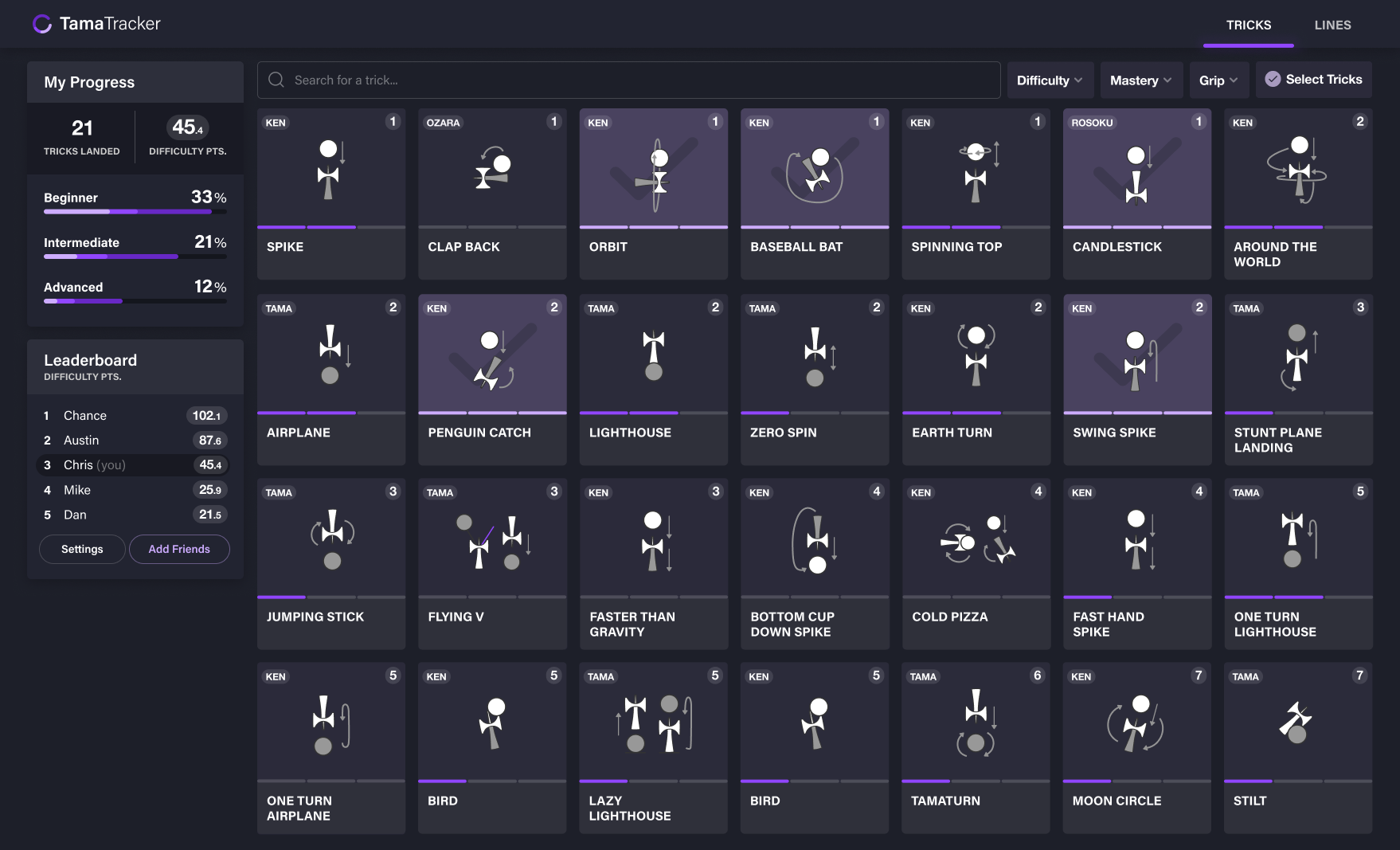
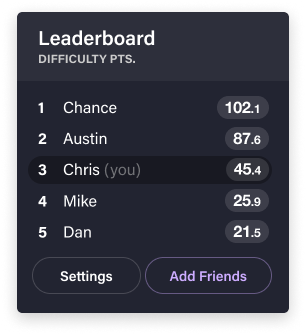
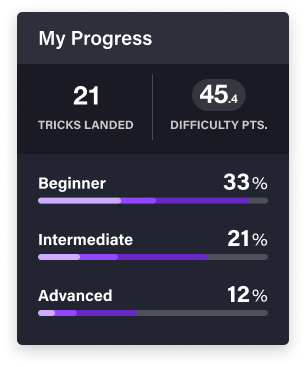
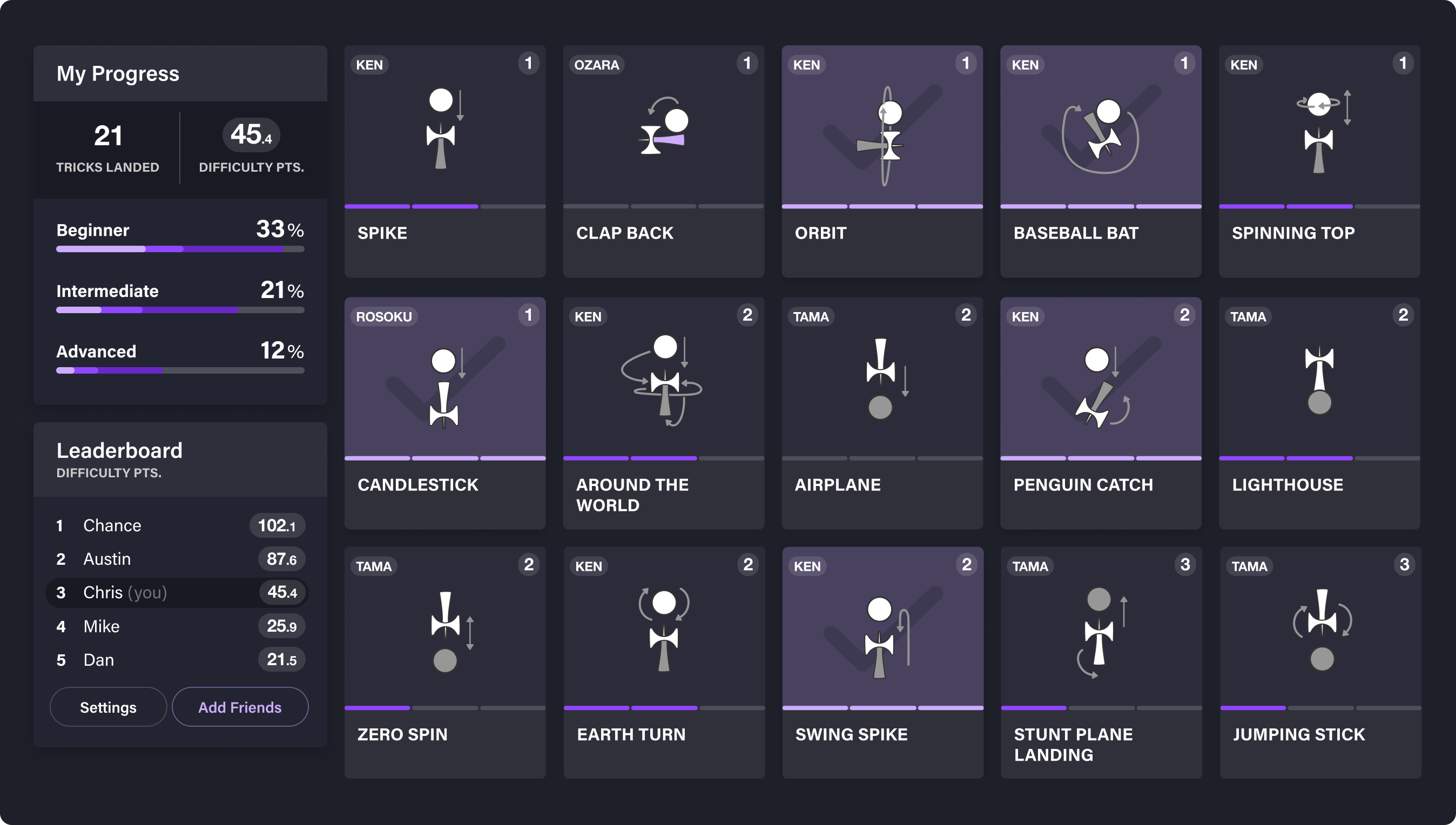
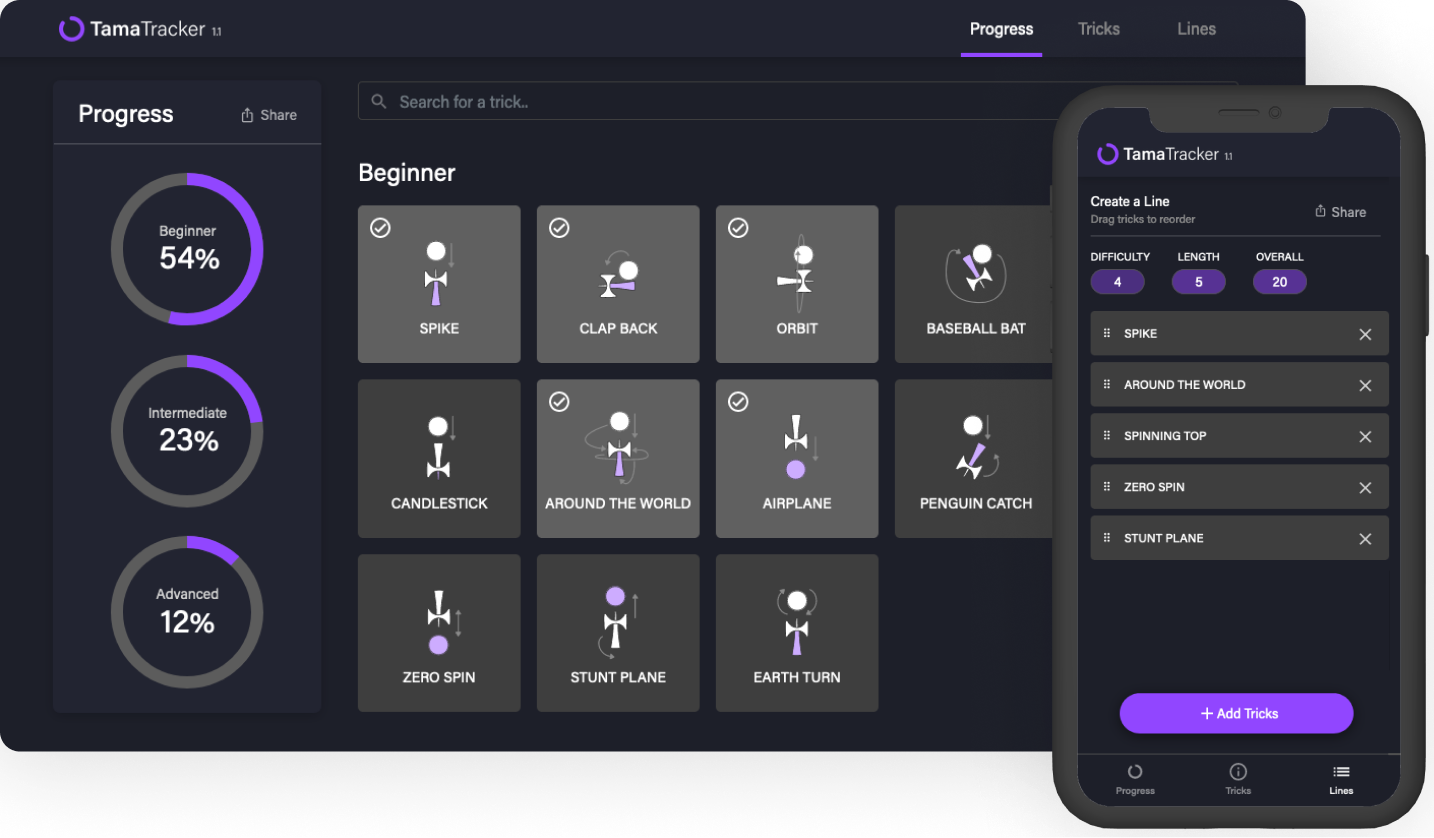
The app does three things: it tracks your progress across 70+ tricks with a gamified scoring system, it lets you compare stats with friends on a leaderboard, and it helps you discover what to learn next based on what you've already done. Each trick has a difficulty score, so the leaderboard isn't just "who has the most tricks" — it's weighted by how hard they are.
Three Levels of "Landing It"
The very first prototype treated tricks as binary — you either had it or you didn't. But feedback from players on Reddit and from friends made it clear that wasn't how it actually works. Landing a trick once doesn't mean you have it down. There are distinct levels: getting it once (an accomplishment), getting it sometimes (it's in your developing repertoire), and having it on lock (you can hit it reliably).
This three-tier system became the foundation of the scoring model. Each level earns different points, and the progression feels earned because it maps to how players actually think about their skills. It's somewhat subjective — but that's fine. The goal isn't precision, it's motivation.

Animations That Scale with Achievement
Leveling up a trick triggers a celebration animation, and having a trick fully on lock triggers something bigger. The animations scale with the achievement — a beginner trick feels different from an advanced one. This is where the gamification actually earns its keep: the reward feedback is what makes people want to log their progress in the first place.
Leaderboards, Comparisons & What to Learn Next
The social layer is what pushes tracking from useful to sticky. A leaderboard ranks players by difficulty points — not just trick count — so someone who's landed fewer but harder tricks can still compete. Spider charts let you compare your strengths across different trick categories against friends, showing where you're strong and where you might want to branch out.
The discovery side recommends tricks based on what you've already done. Tricks are organized by difficulty and can be filtered by grip type or skill tree, so if you're strong in one area but weak in another, TamaTracker surfaces what you'd probably want to try next. Each trick page includes details on how it's done, with links to video references.
70+ Custom Trick Illustrations
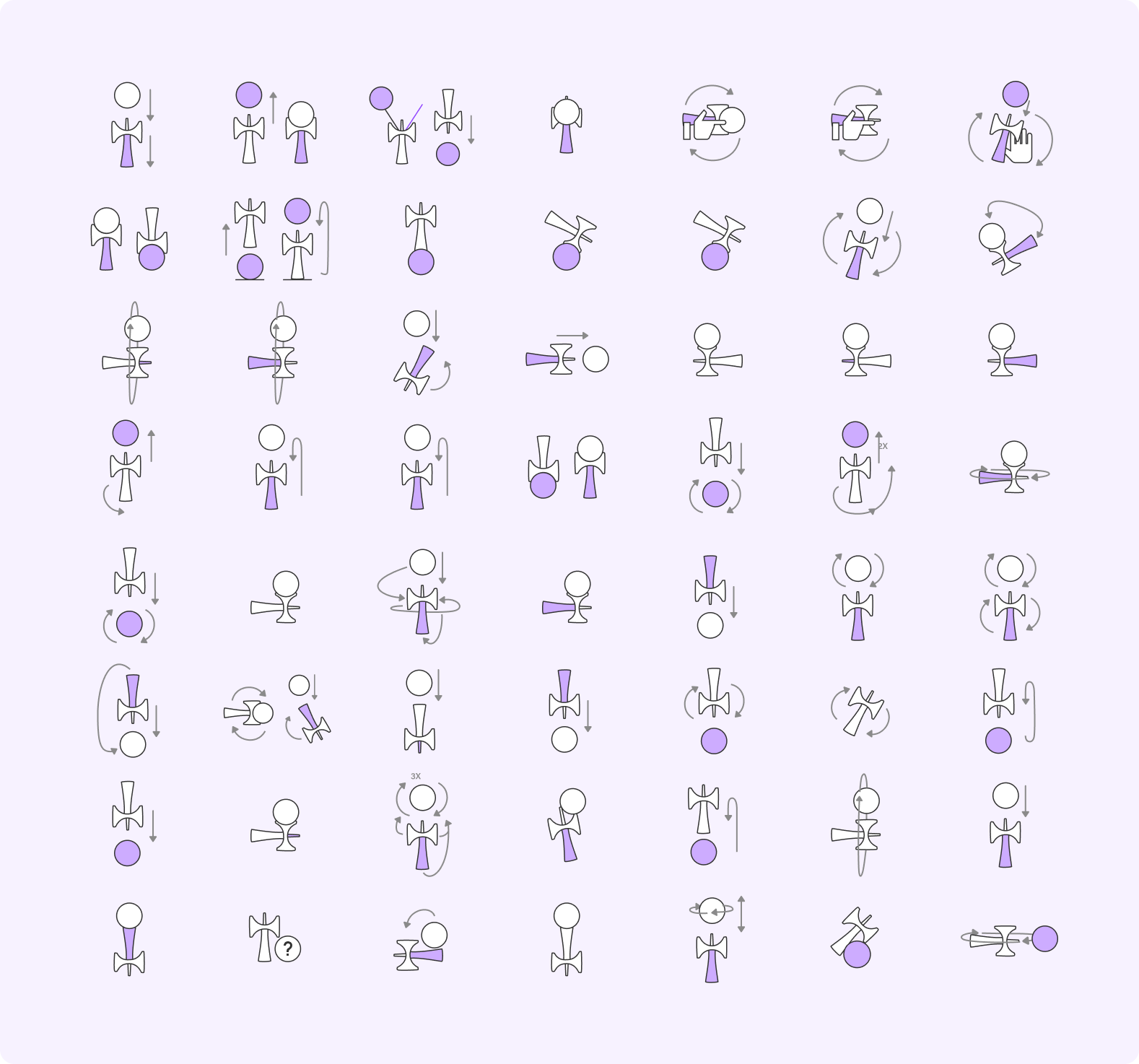
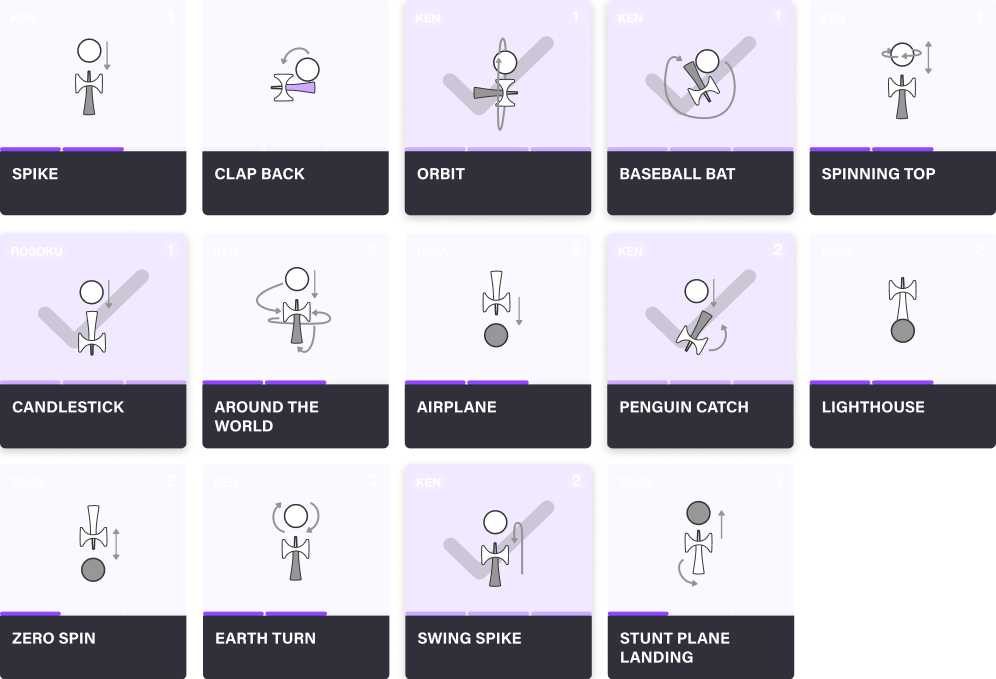
Every trick has a custom illustration showing the kendama's position and motion. At rest, the illustration communicates the trick at a glance — on hover, it animates to show what the trick actually looks like in motion. This matters because trick names alone aren't always descriptive, especially for players exploring new territory. The illustrations make browsing intuitive: you can scan a grid of tricks and understand what each one involves without reading a description.